
Cast iron has been used in Indian kitchens for centuries — long before non-stick was invented. There are certain dishes where the thermal properties, even heat distribution, and natural seasoning of cast iron produce results that no other pan can match. Here are our top 10.
1. Crispy Dosas
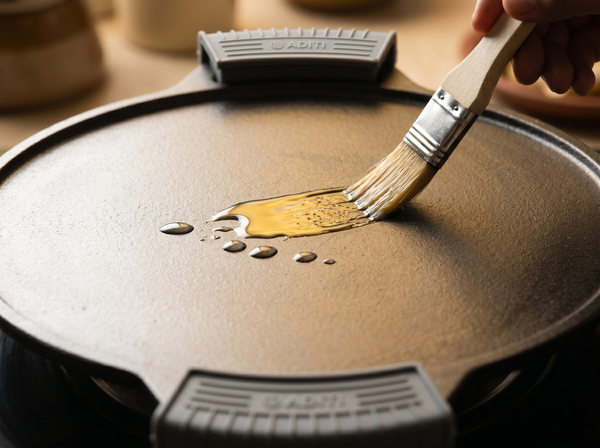
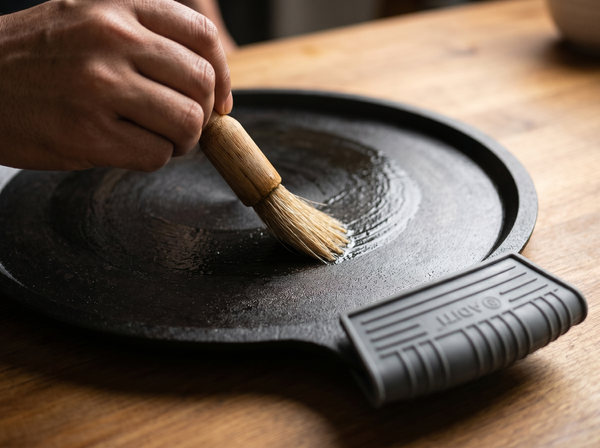
A cast iron dosa tawa is unmatched for achieving that paper-thin, golden, lacey dosa that sticks to itself but slides off the pan perfectly. The even heat means no hot spots, and the natural non-stick surface (once well-seasoned) handles the batter beautifully. Tip: Keep the tawa on medium heat and never wash with soap between dosas — just wipe with a damp cloth.
2. Puffed Rotis & Phulkas
Cast iron tawas retain heat so well that rotis puff up in seconds when you flip them directly onto the gas flame. The steady, even heat cooks the roti uniformly without burning the edges — something thin aluminium tawas struggle with.
3. Tadka Dal
The perfect tadka requires instant, fierce heat so the mustard seeds splutter, the dried chillies blister, and the curry leaves crisp — all in about 30 seconds. Cast iron delivers this explosive heat reliably. Add it to your dal and the sizzle will wake up the whole neighbourhood.
4. Paneer Tikka
A cast iron grill pan gives paneer tikka those beautiful char lines and a smoky flavour that's impossible to replicate in a regular pan. The ridges drain excess moisture while the high heat creates proper caramelisation on the outside, leaving the inside soft and creamy.
5. Appam
The cast iron appam pan (paniyaram pan) is specifically designed for this South Indian favourite. The round pits heat evenly, creating perfectly spherical appams with a crispy exterior and soft, pillowy centre. Cast iron's thermal mass means the temperature stays stable even when you add cold batter.
6. Biryani (Dum Style)
For dum biryani, you need a vessel that holds heat steadily for 20–25 minutes at low temperature without creating hot spots. A cast iron kadhai sealed with dough and placed on a tawa works perfectly — the rice, meat, and aromatics steam together in a closed environment, producing that distinctive dum flavour.
"The weight of a cast iron kadhai isn't a limitation — it's a feature. That mass is what makes dum cooking possible."
— Aditi Kitchenware
7. Sarson Da Saag
This Punjabi classic needs slow, low-heat cooking for 45+ minutes. Cast iron maintains temperature without constant adjustment, and the gradual heat breaks down the mustard greens perfectly. Finish with a generous dollop of ghee — it seasons the pan beautifully at the same time.
8. Kerala Fish Curry
Fish curries with kokum or raw mango are naturally acidic — not ideal for a brand-new cast iron pan. But once your pan is well-seasoned (after 15+ uses), it handles fish curry beautifully. The cast iron adds a subtle depth to the curry that aluminium vessels can't replicate.
9. Uttapam
Thicker than a dosa, uttapam needs steady medium heat so the base cooks through without burning while the top sets with the vegetables. Cast iron delivers this perfectly, and the natural non-stick surface means you need very little oil — keeping the uttapam light and healthy.
10. Kadai Paneer / Kadai Chicken
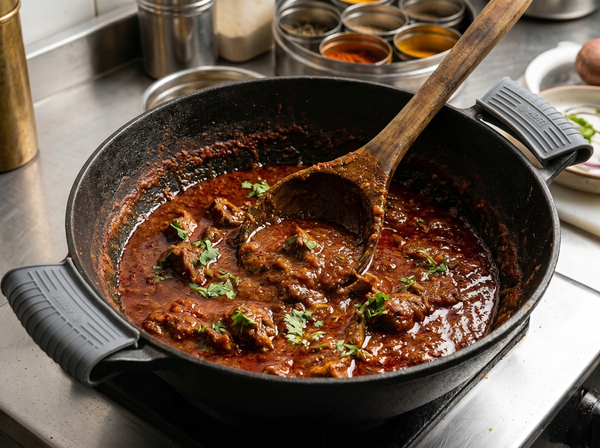
The dish is named after the kadai for a reason. A cast iron kadhai's curved sides allow you to stir-fry at high heat without ingredients flying out, while the thermal mass keeps the temperature high when you add cold ingredients — essential for that restaurant-style char and flavour.
General Tips for Indian Cooking in Cast Iron
- Always preheat your cast iron for 3–5 minutes before adding oil or ingredients
- Use ghee, mustard oil, or coconut oil — they all season the pan as you cook
- Don't rush — cast iron rewards patience and steady heat
- Avoid tomatoes and tamarind for the first 10–15 uses while the seasoning builds up
- Clean with hot water and a stiff brush, never soap, and always dry immediately on the heat
Get the right cast iron for your favourite dishes — pre-seasoned and ready to cook from day one.
Shop by Type →